
A shower pan drains because of a number, not because it looks sloped: the floor of the pan should fall toward the drain at 1/4 inch per foot, the standard slope for shower floors. On a low-profile pan that fall is moulded into a floor only a short distance across, so the visible slope is subtle — and when water pools, the cause is usually one of three things: the pan was bedded out of level so the moulded slope is working uphill, the pan flexes under load and flattens its own fall, or the pool is a surface-tension film that every low-threshold pan shows and is not a defect at all. This guide separates those three, gives you the pour test to run before tiling, and explains what pooling pattern points to a blockage instead.
By the SMC Shower Engineering Team · Last updated: November 2026
How much slope does a shower pan floor need?
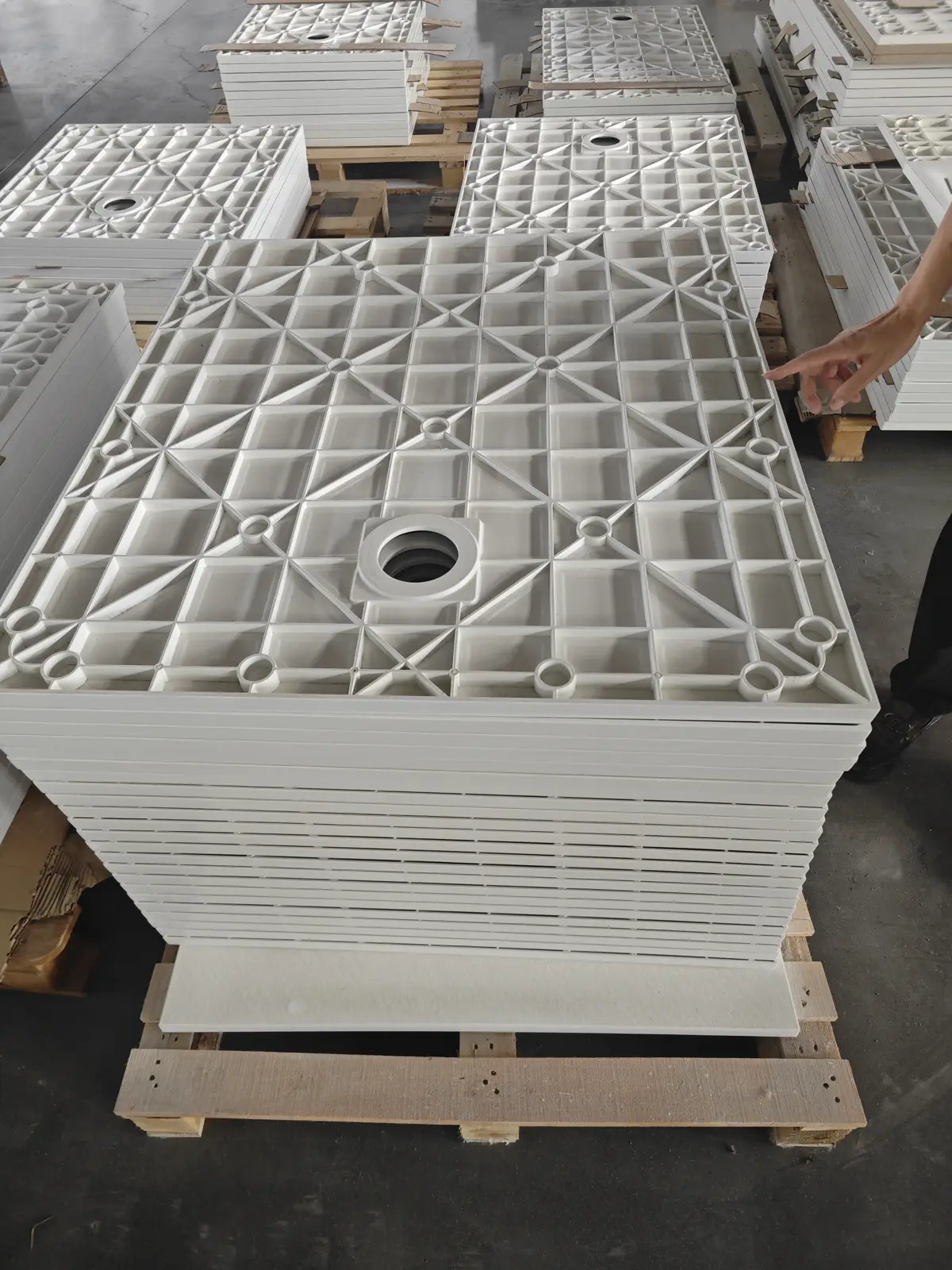
The working standard is 1/4 inch of fall per foot of run, measured from the furthest point of the pan floor to the drain. On a moulded SMC pan you do not create this slope — it is pressed into the floor at the mould — but you can easily destroy it at installation. Setting the pan on an unlevel bed tilts the whole moulded geometry: a pan that leaves the factory with the correct fall in every direction can end up with one corner effectively flat or reversed if the bed is low on the drain side or high on the far side. That is why level checks during bedding, covered step by step in our installation guide, matter more to drainage than anything you can do afterwards.
| What you observe | Most likely cause | First check |
|---|---|---|
| Water gathers in one corner or along one edge, every time | Pan bedded out of level; moulded slope tilted or reversed on that side | Level across the pan in both directions; compare with the fall toward the drain |
| Pan drains when empty but pools around the bather’s feet in use | Floor flexing under load and flattening the fall | Stand in the pan and watch the water while someone pours — movement means a support void under the floor |
| Thin film of water that lingers, then dries, with no defined puddle | Surface tension on a low-threshold floor — normal behaviour | Check whether a squeegee or a slight increase in flow clears it; if it drains, it is not pooling |
| Water rises in the pan and drains slowly everywhere | Restriction in the drain or waste line, not a slope problem | Remove the drain cover, check for debris and construction residue in the trap |
| Pooling that started months after a good installation | Building movement, a failing bed, or a partial blockage building up | Rule out the drain first, then check for new flex or hollow sounds underfoot |
Do low-threshold and zero-threshold pans drain worse?
They drain differently, and setting the right expectation prevents most complaints. A low-profile pan — the 26 mm profile is typical of the format — has a short threshold and a shallow floor, but the fall to the drain is still moulded at the same rate; what changes is the margin for error. There is less depth to hide an unlevel bed, and less capacity before a slow drain becomes a wet bathroom floor. A zero-threshold (curbless) installation removes the step entirely, so the pan or shower floor must manage both the fall to the drain and the water that lands near the opening: shower head position, spray direction and door or screen placement do as much work as slope. In both formats, a thin residual film after the shower is turned off is normal — a shallow floor cannot shed the last film of water the way a deep, steeply sloped tray does. A defined puddle that stays in one place, deep enough to see a reflection edge, is not normal, and it has a cause from the table above.
How do I run a pour test before tiling?
Run this test after the bed has cured and before any tile or wall finish closes the job in. It takes ten minutes and it is the last cheap moment to find a drainage problem.
- Plug the drain with a test plug or tape seal, and check the pan floor is clean — mortar droppings create false pools.
- Pour water at the far corner — a bucket poured slowly at the point furthest from the drain, not a hose blast at the drain itself. Watch the path the water takes: it should travel to the drain without detouring into a corner or ponding along an edge.
- Unplug and watch the drain-down. The bulk of the water should clear steadily. Note any spot where a puddle remains as the rest empties.
- Mark any pool with a pencil on the pan surface and photograph it. A marked, photographed pool is a precise instruction for correction; “it pools a bit” is not.
- Repeat under load. Have someone stand in the pan in the normal showering position and pour again. Pooling that only appears under load means flex, and flex means a support void — see the bedding checks in the installation guide.
- Correct before tiling, never after. An out-of-level bed is re-done now or lived with forever; grout, sealant and drainage gadgets do not change moulded geometry.
Is it pooling, or is it a blockage?
The two feel similar in the shower and have nothing in common as faults. Pooling is local: water stands in one area while the rest of the floor drains, the drain itself runs freely, and the pattern is identical every time because it follows the geometry of the floor. A blockage is global: the whole floor holds water, drainage is slow everywhere, the drain may gurgle or rise, and the pattern worsens over days as the restriction builds. During construction the usual blockage is not hair — it is mortar, grout wash and packaging debris in the trap, which is why the first diagnostic is always to lift the drain cover and look. If the drain runs freely and one corner still holds water, you have a geometry problem, and the honest fix is at the bed, not the drain. Confirm your drain position and waste alignment against the model drawing using our drain position guide before blaming the slope — a waste connection forcing the pan to sit twisted produces exactly the same symptom.
Frequently asked questions
My flat pan still does not drain enough. Is it defective?
Not necessarily — “flat” low-profile pans are not actually flat; the fall is moulded in at 1/4 inch per foot and is hard to see. Run the pour test. If water pools in one place, the pan is most likely bedded out of level or flexing; a manufacturing slope defect is the least common of the three causes and is diagnosed by checking the pan’s fall on a known-flat surface before installation.
How much standing water is acceptable after a shower?
A thin film that dries on its own is normal on low-threshold floors. A defined puddle — water with a visible edge that stays in one spot after the rest of the floor has drained — is not acceptable and always has a findable cause: level, flex, or a local surface obstruction.
Can I increase the slope after installation?
No practical method adds fall to a moulded pan in place. The slope lives in the moulding and in the level of the bed under it. That is why the pour test belongs before tiling: afterwards, correction means lifting the pan and re-bedding it.
Does a bigger drain fix pooling?
No. Drain size governs how fast water leaves once it reaches the drain; pooling is water that never reaches the drain because the floor does not fall toward it at that spot. Fix the geometry first.
Specifying pans for a multi-unit project and want drainage behaviour documented before you order? Request a quote and tell us the models and the threshold format you are planning.